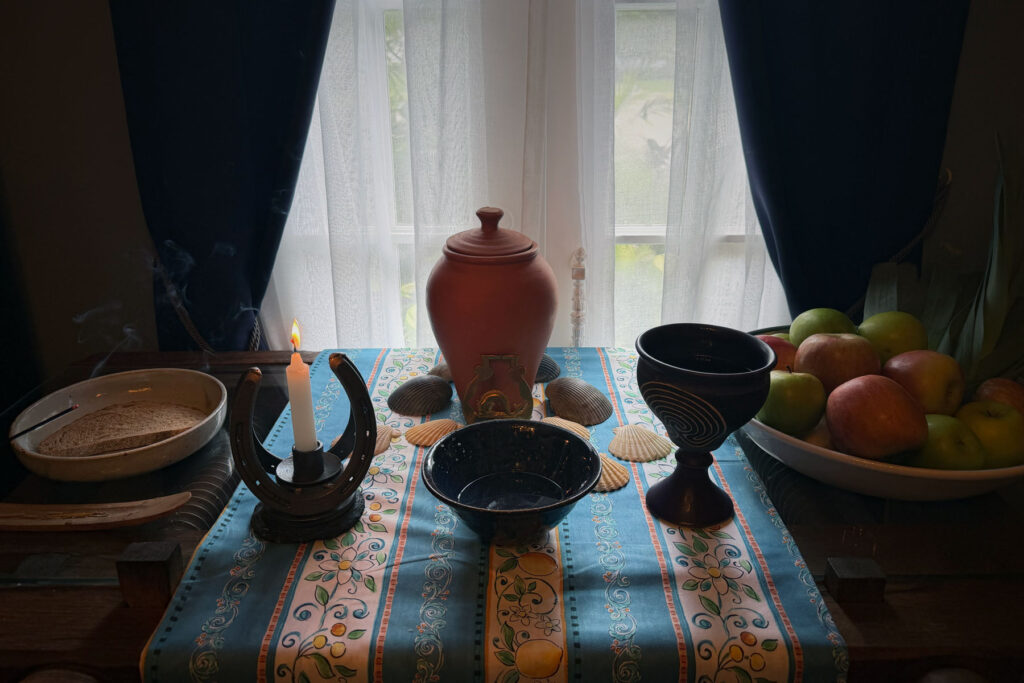
Festival of the Sea and the Land
The Sea Mother The sea has long been a place where the Goddess’s presence is strongly felt. Vast, ever-changing, and alive with power, the sea…

The Sea Mother The sea has long been a place where the Goddess’s presence is strongly felt. Vast, ever-changing, and alive with power, the sea…
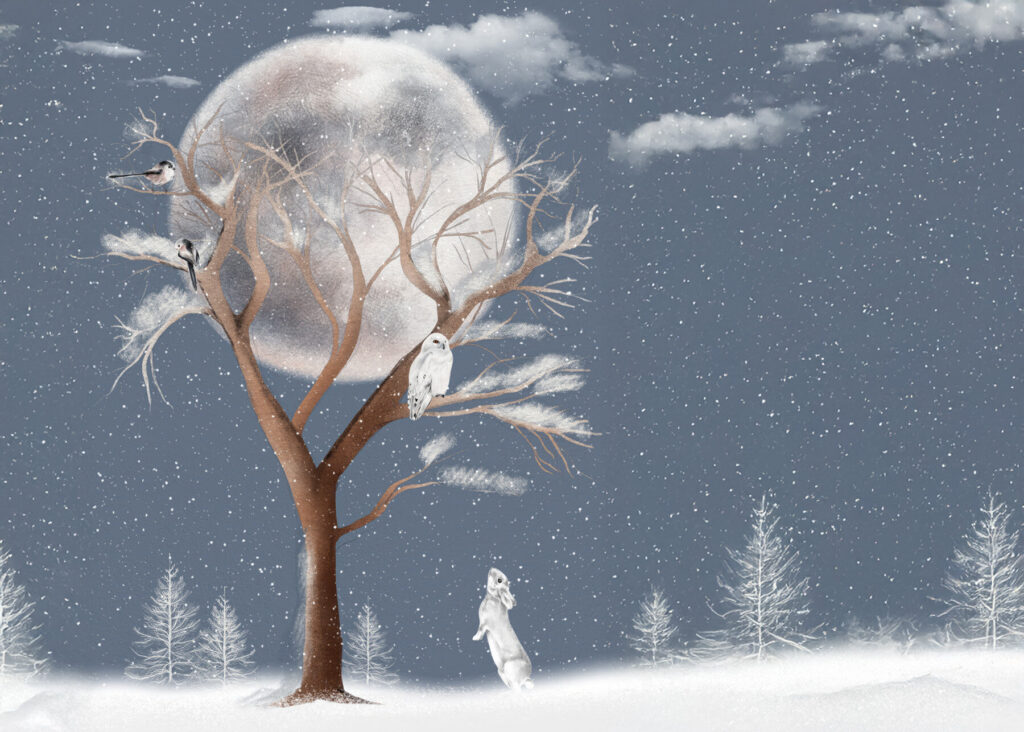
Imbolc, or Candlemas, represents the dark womb of the year. We light a candle in this long night, knowing the days are getting longer and…
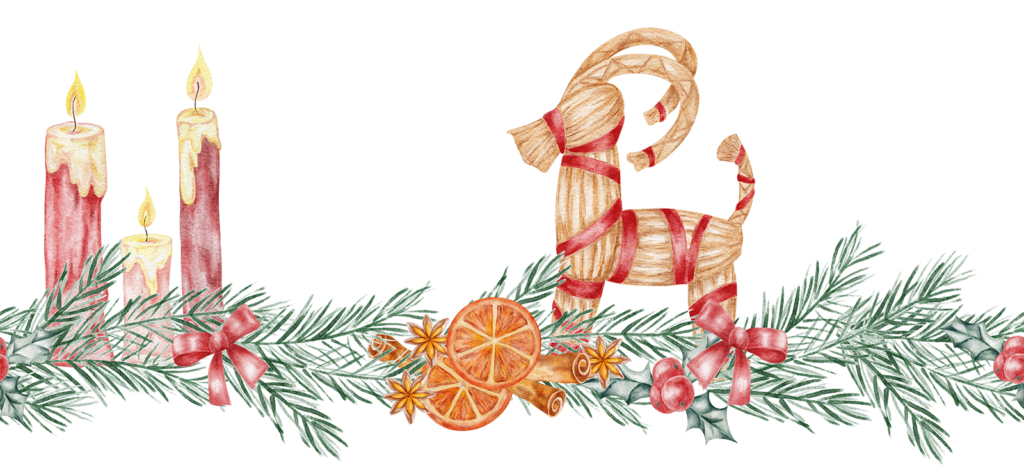
Mother’s Night, or Mōdraniht in Old English, is one of the most intriguing festivals of the Anglo-Saxon pagan calendar. Recorded only once by the historian Bede in…
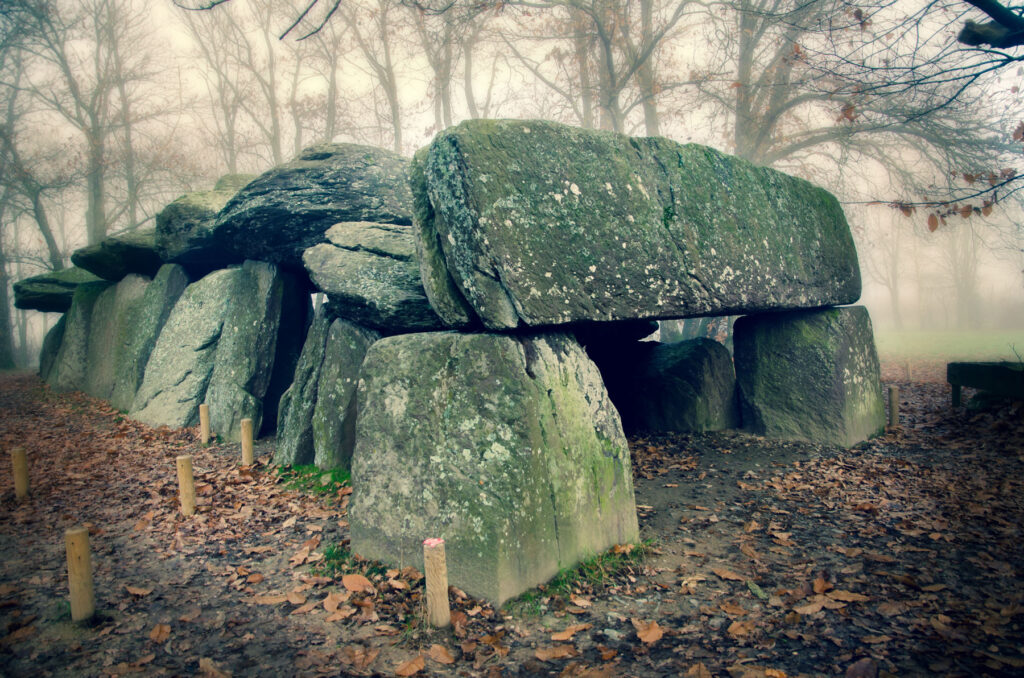
Winter’s First Descent Through the Dolmen Arch As the veil of autumn lifts and the first cool hush of winter settles over the land, we…
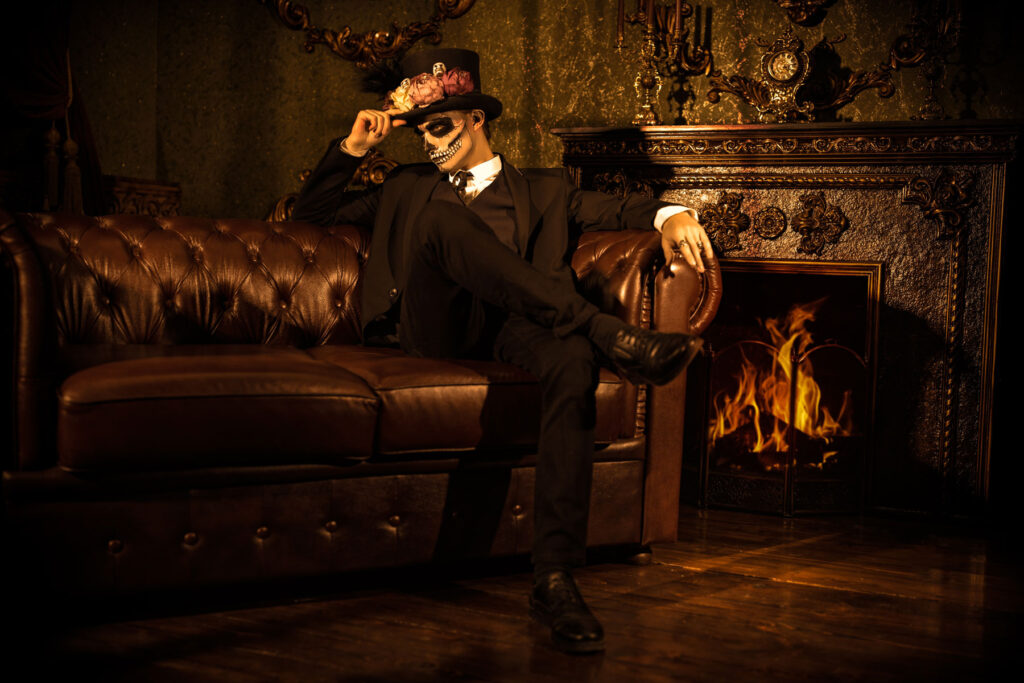
The oranges, yellows, and reds are behind us. As we step into the first month of winter, we begin our sojourn in the dark of…
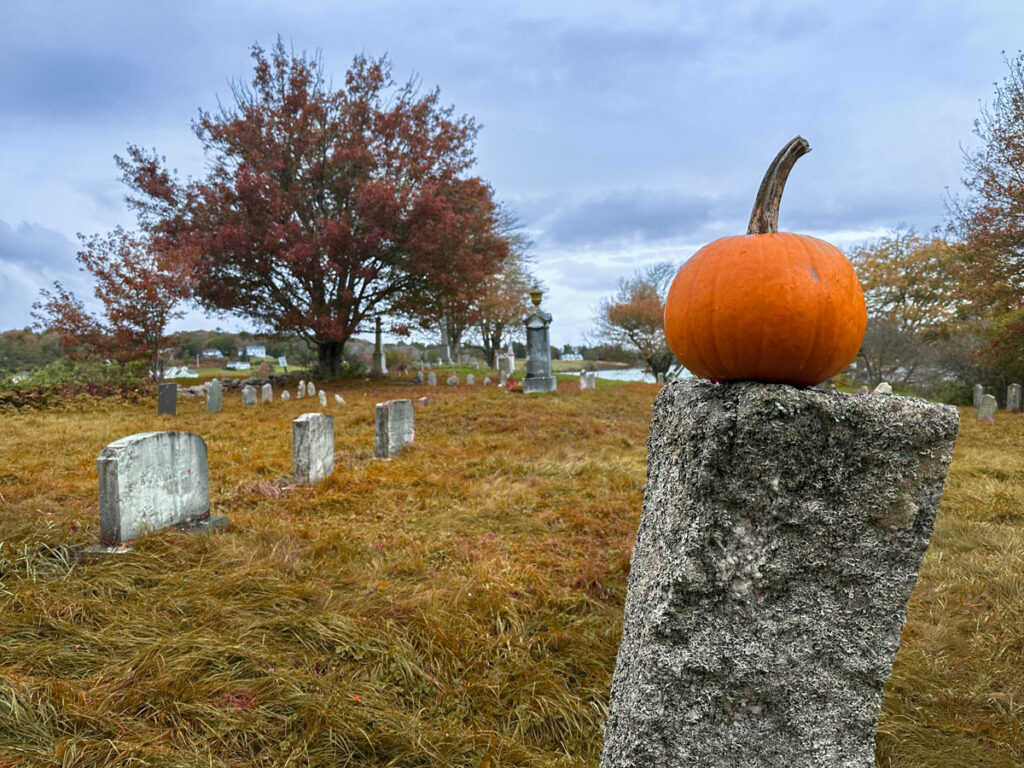
The harvest is drawing to a close—pumpkins, gourds, and mums abound. Leaves are turning, and even in the South, we sense a change in the…
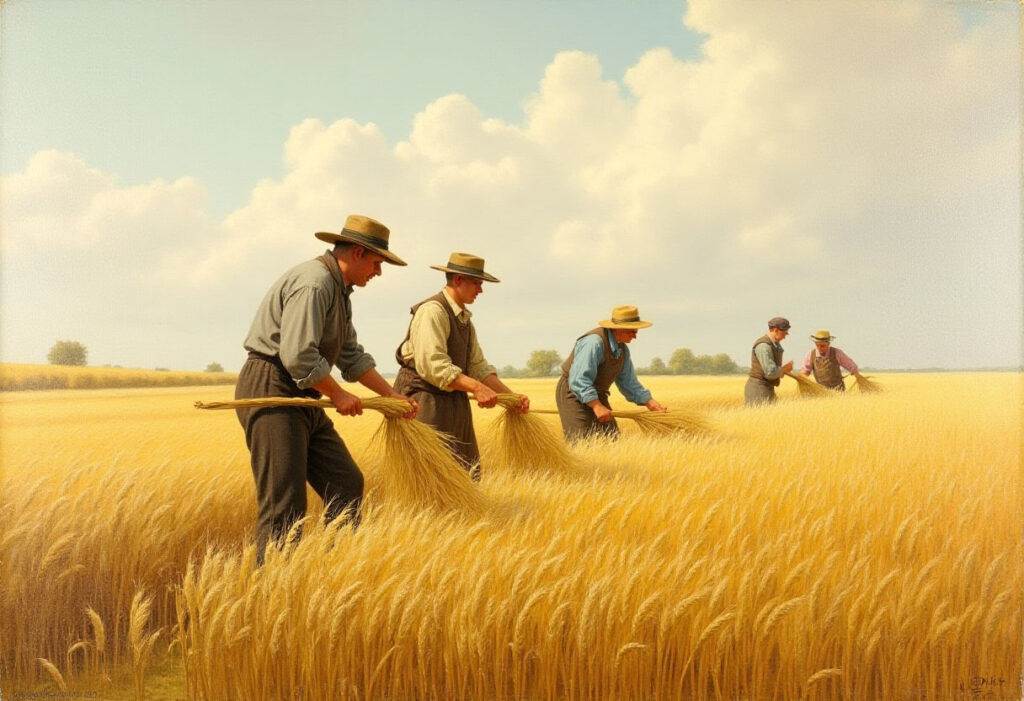
John Barleycorn was a hero bold,Of noble enterprise;For if you do but taste his blood,‘Twill make your courage rise. Robbie Burns When I think about…
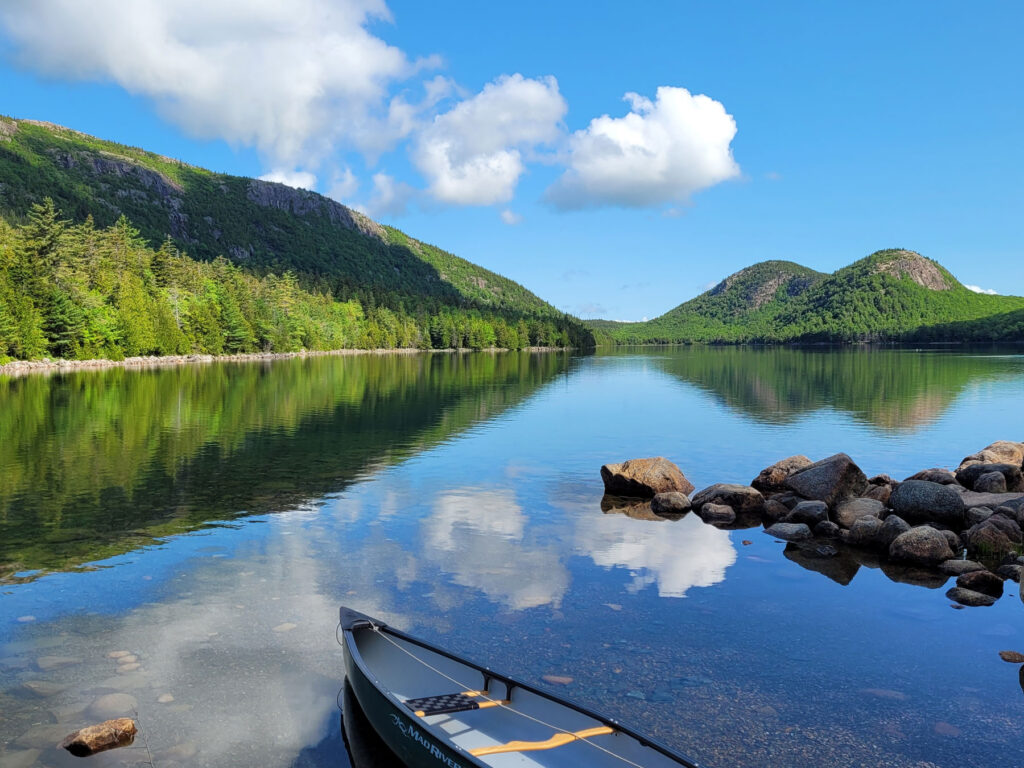
In the Anglo-Saxon calendar, the summer months were known as Ærra Līða (Early Litha, corresponding to June) and Æftera Līða (Later Litha, corresponding to July).…
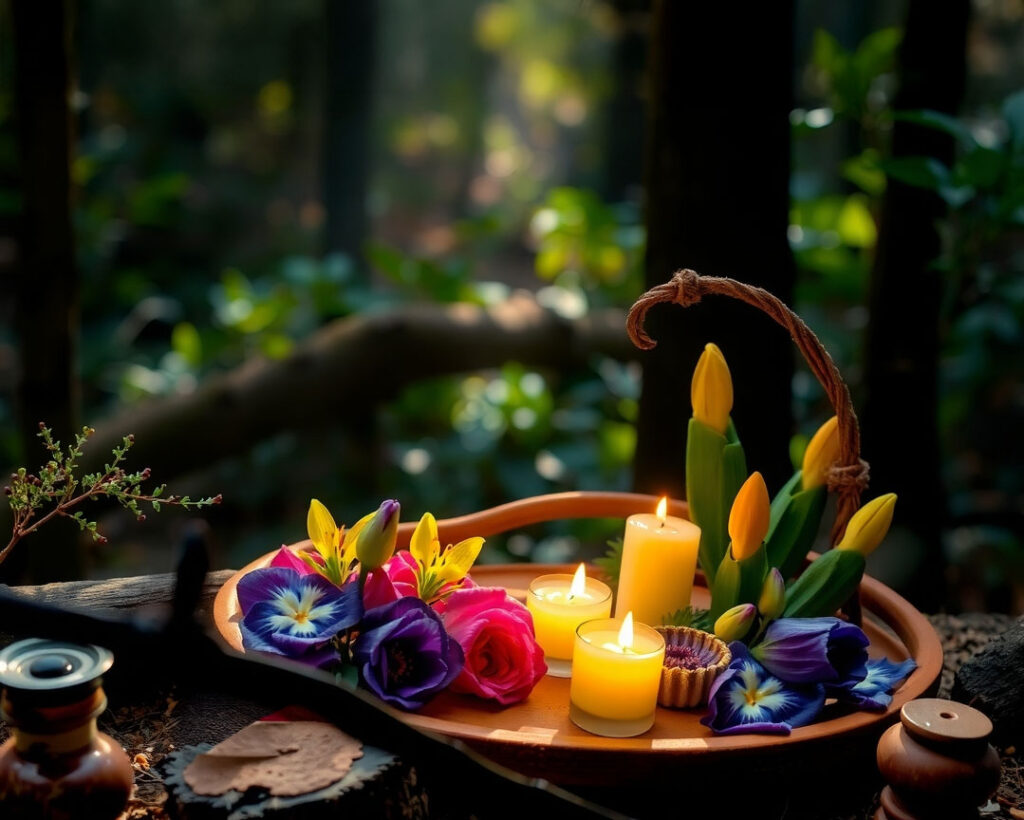
Beltane approaches. Gardner called it Lady Day. In the reconstructed Saxon religious calendar, it is the Festival of Flowers. In our grove, we celebrate the…

During this time of year, we are reminded of the cyclical aspect of nature. Our lives like the seasons roll along with their own rhythm.…