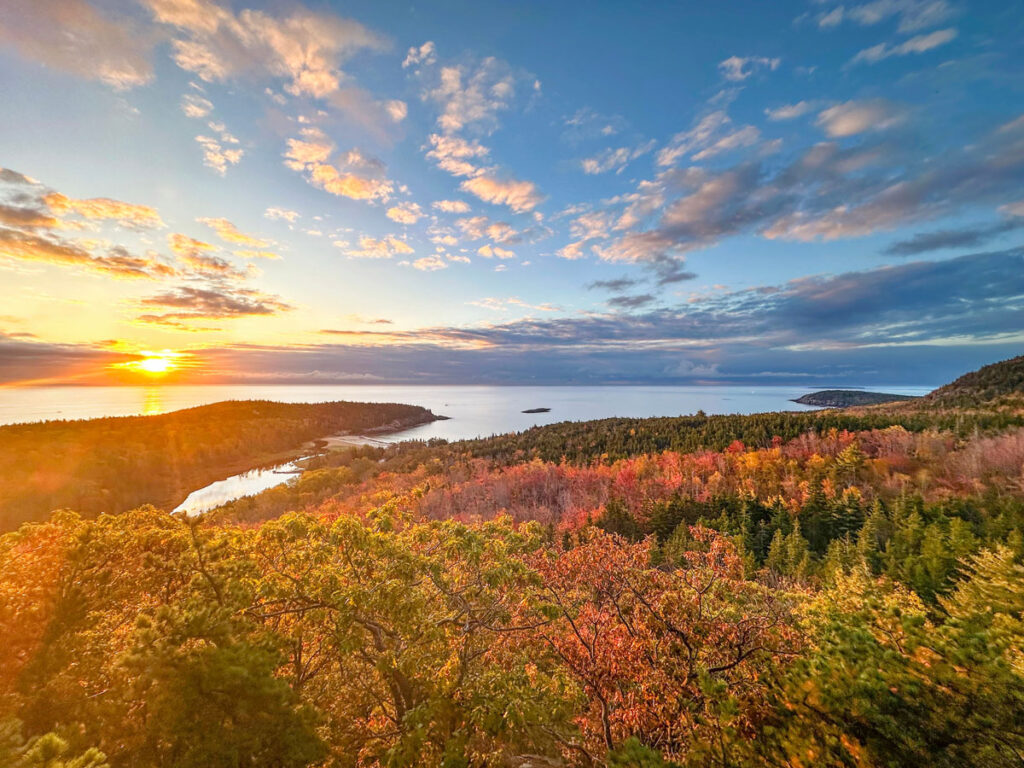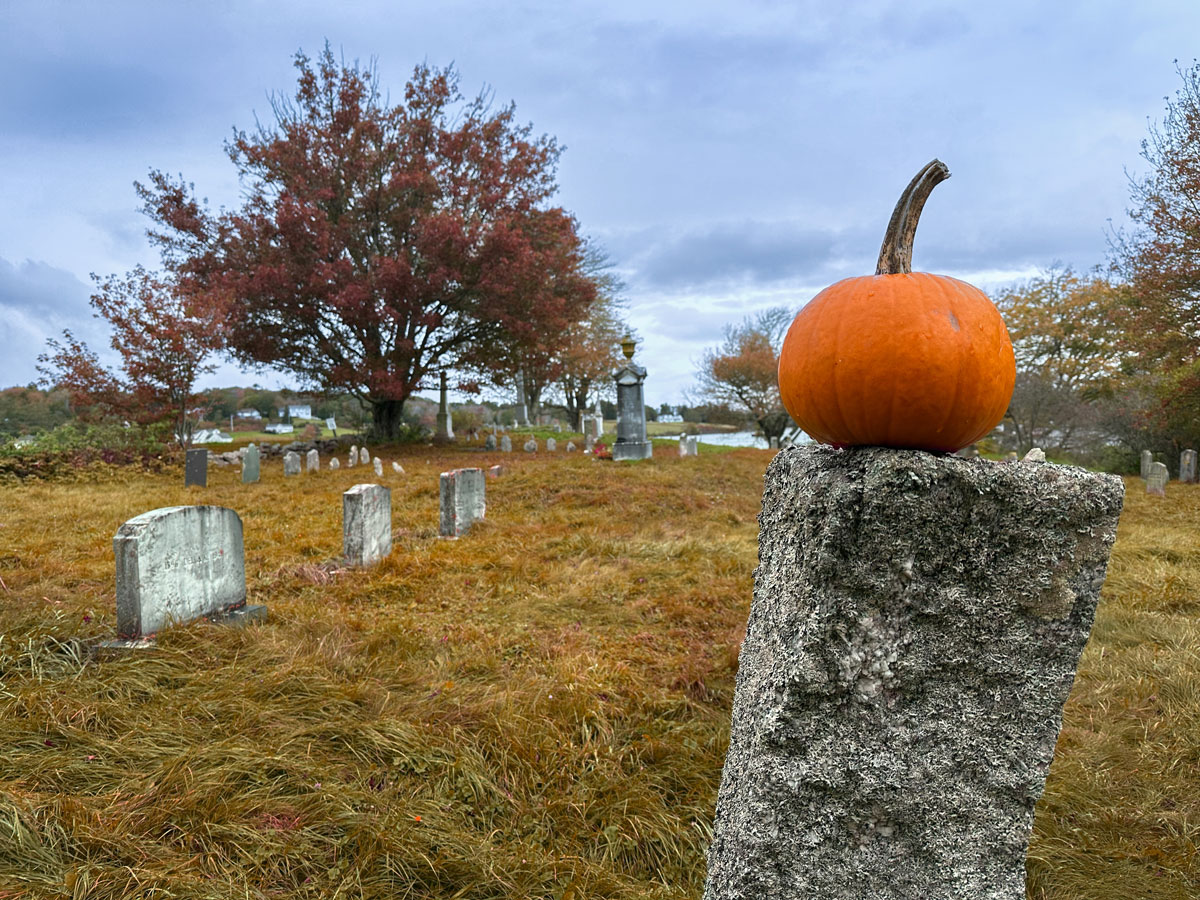
The harvest is drawing to a close—pumpkins, gourds, and mums abound. Leaves are turning, and even in the South, we sense a change in the air. Fall marks a transition between summer’s peak and the approaching winter darkness.
At this time, we celebrate the final days of growth and the gods’ bounty, while also reflecting on the period ahead. My grandmother lived by the rule that during summer, you prepare for winter. In August, September, and early October, she spent many hours in her kitchen canning garden vegetables, pickling, and making applesauce.
We can sense the approach of the moment when the veil between our world and the otherworld is thinnest. As we honor the culmination of summer, we reflect on those who have walked before us, preparing to meet them as we pause and rest.
These holy days are for both toasting John Barleycorn and remembering our ancestors. As the pagan year draws to a close, we invite our ancestors to join us at our table, raising a glass to our kin, the gods, the spirits, and the mighty dead.
In Old English, this time was called “Holy Month,” for it is a season charged with reverence and remembrance. As the days grow shorter and the nights deepen, we too are called to pause, reflect, and give thanks—not just for the year’s harvest, but for the enduring presence of those who walked before us. In honoring this sacred turning of the year, we link ourselves to ancient traditions, drawing wisdom and comfort from the knowledge that we are part of a long, unbroken chain, upheld by memory and gratitude.