
Winter’s First Descent Through the Dolmen Arch
As the veil of autumn lifts and the first cool hush of winter settles over the land, we cross a seasonal threshold. The first month of winter is not just a time of cold and retreat; it is a passage into the sacred tomb. We pass through the dolman arch into the barrow mound of the yearly cycle. It is the descent into the Earth’s dreaming body, where silence reigns and the seeds of rebirth are held in darkness.
This is the time of Samhain and Yule, when the sun wanes and the nights stretch long. Nature folds inward. The leaves have fallen, the harvest is stored, and the soil lies fallow. We enter the tomb not in fear, but in reverence. It is here, in the womb of stone and shadow, that the mysteries of life and death whisper their truths.
The Dolmen Arch: Portal to the Otherworld
Dolmens—those ancient megalithic structures of upright stones capped by a massive lintel—stand like frozen gateways across the landscapes of Europe. Though their original purpose remains debated, they are widely understood as tombs, ritual sites, and liminal spaces between worlds.
To pass through a dolmen arch is to symbolically enter the Otherworld. It is a rite of passage, a movement from the realm of the living into the domain of ancestors, spirits, and deep time. In the first month of winter, we enact this passage spiritually. We turn inward, we remember, we listen.
Chambered Mounds: Earth’s Memory Palaces
Across Britain and Brittany, chambered mounds rise from the earth like sleeping giants. These barrows—constructed thousands of years ago—house the bones of the dead and the echoes of ritual. Among them:
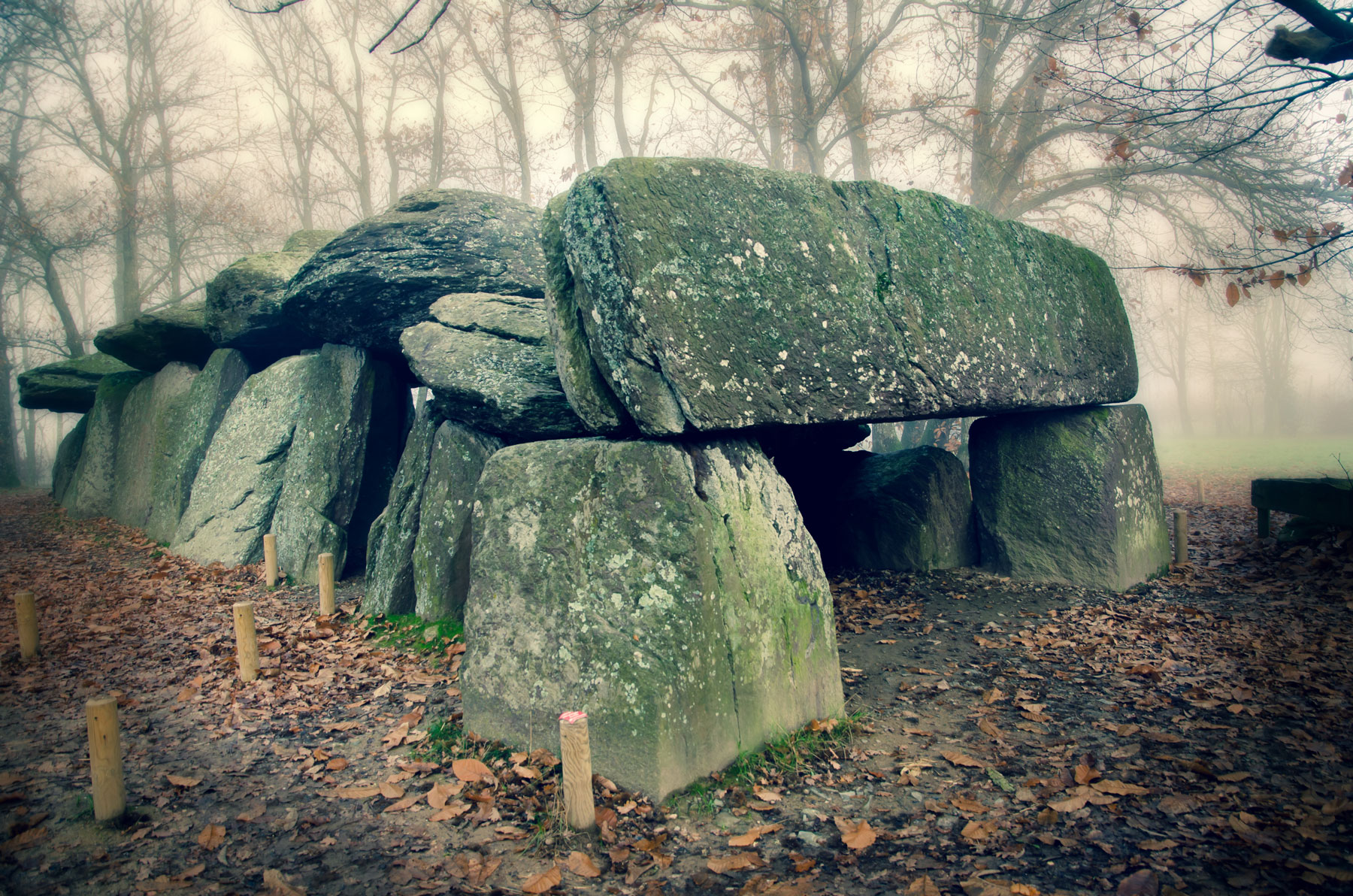
- La Roche-aux-Fées in Brittany, France: A vast dolmen structure aligned with the winter solstice sunrise. Its name means “The Rock of the Fairies,” and legend holds that it was built in a single night by magical beings. To stand within its chamber is to feel the weight of time and the hush of eternity.
- West Kennet Long Barrow in Wiltshire, England: A Neolithic tomb with a long passage leading to inner chambers. It faces east, greeting the rising sun, yet its heart is cloaked in shadow. It is a place of burial, but also of rebirth—a sacred container for transformation.
- Maeshowe in Orkney, Scotland: A chambered cairn aligned with the winter solstice sunset. On that day, the dying light pierces the passage and illuminates the inner sanctum. It is a cosmic event, a moment when the tomb becomes a temple.
- Newgrange in Ireland: Though not British, its influence is profound. Aligned with the winter solstice sunrise, its inner chamber floods with light once a year—a solar resurrection within the belly of the Earth.
Winter as Descent
In the first month of winter, we symbolically enter these mounds. We pass through the dolmen arch in our dreams, our rituals, our reflections. The cold and dark are not enemies—they are initiators. They strip us bare, quiet the noise, and invite us to dwell in the sacred stillness.
This descent is mirrored in myth: the goddess enters the underworld, the Harvest King dies and journeys to the sacred isles to rest, heal, and await rebirth. The sun itself seems to vanish, only to be reborn at Yule. The tomb is not the end—it is a level up in the spiral.
Ritual and Reflection 🕯
To honor this seasonal passage, you may:
- Light a single candle in a dark room, meditating on the flame as the spark of life within the tomb.
- Visit a local cemetery, tomb, mound, or dolmen, and offer silence, song, or libation.
- Create a symbolic dolmen arch at home—stones, branches, or even a doorway—and walk through it with intention.
- Journal dreams, memories, and ancestral reflections during this time.
The Embrace of Subterranean Darkness
Winter’s first month is not a death—it is gestation. The barrow mound is the Earth’s embrace. The dolmen arch is the gate to mystery. As we pass through, we do not leave life behind—we enter its deeper layers.
Let us walk softly into this sacred time, bearing the lantern of our spirit, and listen to the silence that rests beneath the soil.
Stones of Kinship: Communal Tombs as Testaments of Collective Strength
To stand within a chambered tomb is to stand inside a collective story. These megalithic structures, built thousands of years ago, were not solitary graves but communal sanctuaries. They held generations of bones, memories, and offerings. They were built not for kin, not kings.
In the first month of winter, as we symbolically enter these tombs, we are reminded of the strength it took to raise them. These were not the works of isolated individuals or fleeting dynasties. They were the achievements of entire communities—farmers, stonecutters, dreamers, and ritualists—who labored together to honor their dead and anchor their lore in stone.
Architecture of Ancestry
The sheer scale of sites like La Roche-aux-Fées, West Kennet Long Barrow, and Newgrange speaks to a remarkable level of coordination, planning, and shared purpose. Stones weighing several tons were quarried, transported, and placed with precision. Passages were aligned with solstices. Chambers were designed to echo, to hold light, to cradle the dead.
This was not mere burial—it was cosmology. The tomb was a map of the world, a diagram of belief. And these sites could not have been built without numbers of people coming together. La Roche-aux-Fées, with its 41 stones forming a long corridor, may have involved hundreds of people over years. Its alignment with the winter solstice sunrise suggests a shared ritual calendar, a communal understanding of time and transformation. West Kennet Long Barrow housed the remains of dozens of individuals, interred over centuries. The mingling of bones—men, women, children—speaks to a collective identity. Death was not a solitary journey, but a return to the tribe. Newgrange, with its spirals and solar chamber, required not only labor but artistry. Its builders were engineers and mystics. The entire community must have participated—whether in hauling stones, preparing feasts, or singing the dead into the earth.
The Tomb as Hearth
In this light, the tomb becomes more than a resting place—it becomes a hearth. A gravitational center. A place where the living and the ancestors meet, where stories are passed down, where the cycle of seasons is marked with fire and sharing.
In the first month of winter, when the cold drives us inward, we gather around our own hearths. We light candles. We tell stories. We remember those who came before. This instinct—to gather, to honor, to endure—is the same one that built the tombs.
The dolmen arch is not just a portal to the Otherworld—it is a doorway into community. To pass through it is to enter the embrace of ancestors, to feel the weight of shared memory, to know that we are not alone.
Lessons for the Present
In a world often fractured by isolation and speed, these ancient tombs offer a quiet lesson: strength lies in togetherness. The people who built them did so not for glory, but for continuity. They understood that the dead are not gone—they are part of the soil, the stones, the stories.
As we enter winter’s first month, let us remember that we, too, are builders of memory. Let us gather, reflect, and honor the communal spirit that raised these sacred mounds. Let us walk through the dolmen arch together, not as strangers, but as kin.
Featured image: La Roche-aux-Fees (the fairies’ rock) in Brittany, France
Old English Month: Wintermōnaþ
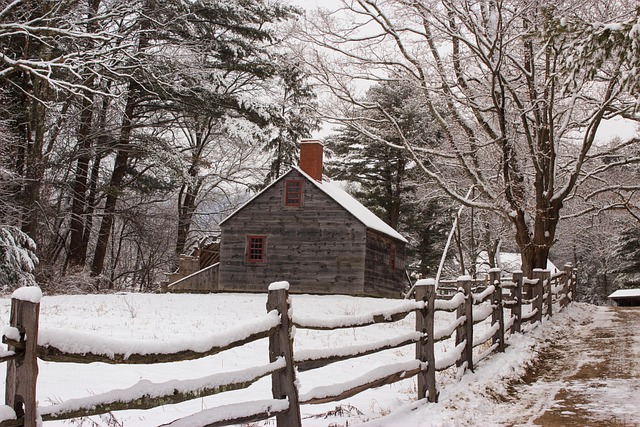
During the Old English “winter month,” communities marked the beginning of the harshest season. This month, usually corresponding to November, signaled a transition from the agricultural year to a period of relative stillness. Socially, it was a time of gathering indoors, storytelling, and fostering kinship ties. With the fields fallow and outdoor work reduced, families and neighbors would gather around the hearth, sharing food that had been preserved during the harvest. It was also a season of preparation for the long, cold months ahead, which emphasized cooperation and communal support, reinforcing bonds essential for survival. Festivities and rituals during Wintermōnaþ often reflected themes of endurance, gratitude, and hope for rebirth with the coming spring.