
Ærra Ġēola, Before Yule
Ærra Ġēola, literally translating as “before Yule,” this time marks the period leading up to Midwinter. In the dark and oft’ times trying months of…

Ærra Ġēola, literally translating as “before Yule,” this time marks the period leading up to Midwinter. In the dark and oft’ times trying months of…

Blōtmōnaþ, or “Blood Month,” was the Anglo-Saxon term for the lunar month corresponding to November, marking a time when livestock were slaughtered in preparation for…

Winter Nights / Wintermōnaþ The Venerable Bede tells us that the Anglo-Saxons divided the year into two seasons: Summer and Winter. The latter commences on…
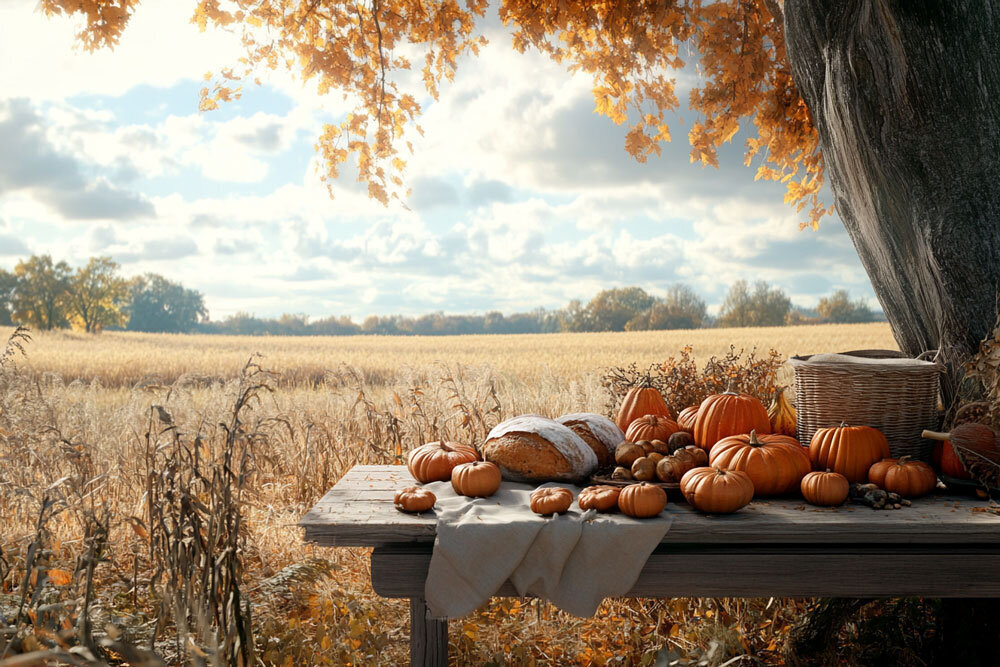
Holy Month The September full moon marks the feast day of what the Anglo-Saxons referred to as Hāliġmōnaþ or “Holy Month.” It coincides with the…
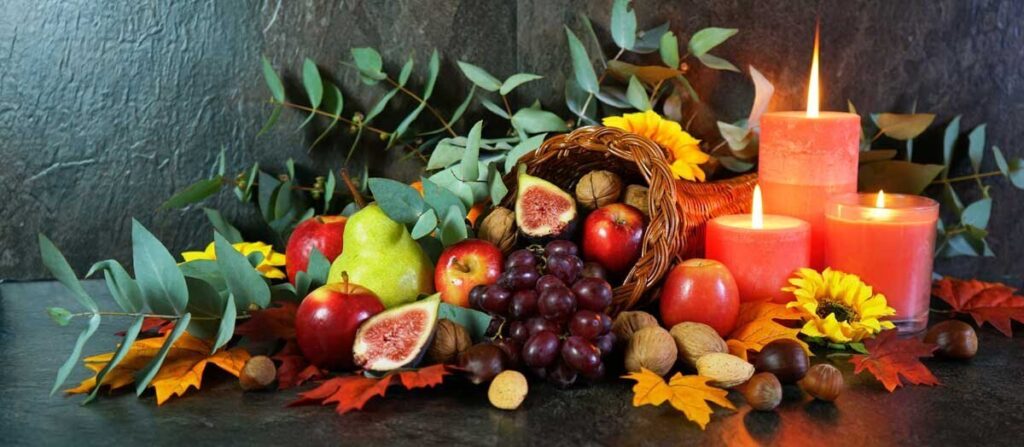
The Feast of First Fruits is a festival celebrated in early August. It marks the beginning of the harvest season, particularly the first wheat harvest,…

The full moon marks the center of Ærra Liða, which literally means “before Litha” or Midsummer. It marked the period leading up to or surrounding…
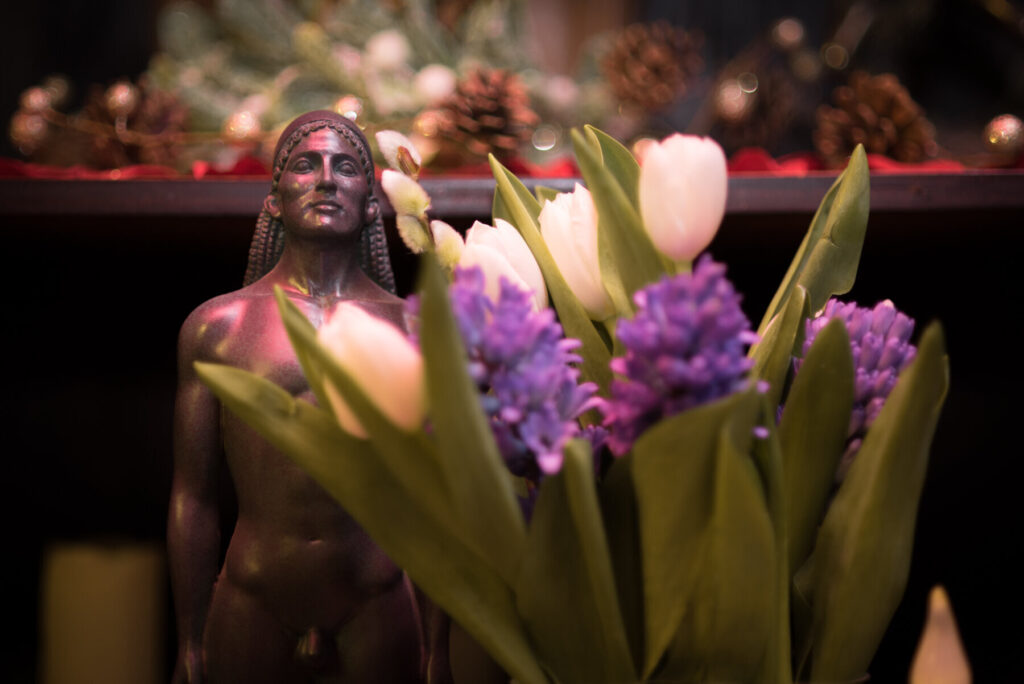
Today is the full moon, marking the middle of the month, Ēostremōnath, a sacred time to the goddess of spring, Ēostre. Tulips and hyacinths abound,…

St. Bede tells us that for the Anglo-Saxsons the month corresponding to March was sacred to the a goddess by the name of Rheda or…

Honoring Hestia: The Eternal Flame of Home and Hearth The full moon of Solmōnaþ on February 24, 2024, marks the middle of the month when…

The recent full moon marked the middle of the Anglo-Saxon month of Æfterra Ġēola, literally “after Yule.” It is the first month of the new…