Our Minos
Minos Typhaeus H.E. X
Minos Typhaeus is a seasoned practitioner in the British tradition, with over four decades of dedicated experience in the Craft. Drawing from a rich tapestry of English, Norwegian, Scottish, Welsh, and Irish ancestry, he spent his formative years on the picturesque coast of Maine before settling full-time in New Orleans in 2015.
His immigrant ancestors ventured to New England during the Puritan migration in the early to mid-17th century, settling in regions such as Salem, Essex, Ipswich, and Wenham. Among his notable ancestors was his patrilineal 10th-great-grandfather, a Scottish Covenanter who was captured by Oliver Cromwell and the New Model Army during the English Civil War. After being exiled to the Colonies, he was sold as an indentured servant, likely to work at one of the newly formed iron works in present-day Saugus, Massachusetts. The majority of his English ancestral roots lie in East Anglia, a region Michael Howard dubbed “witch country,” and the West Country (Devon, Dorset, and Cornwall).
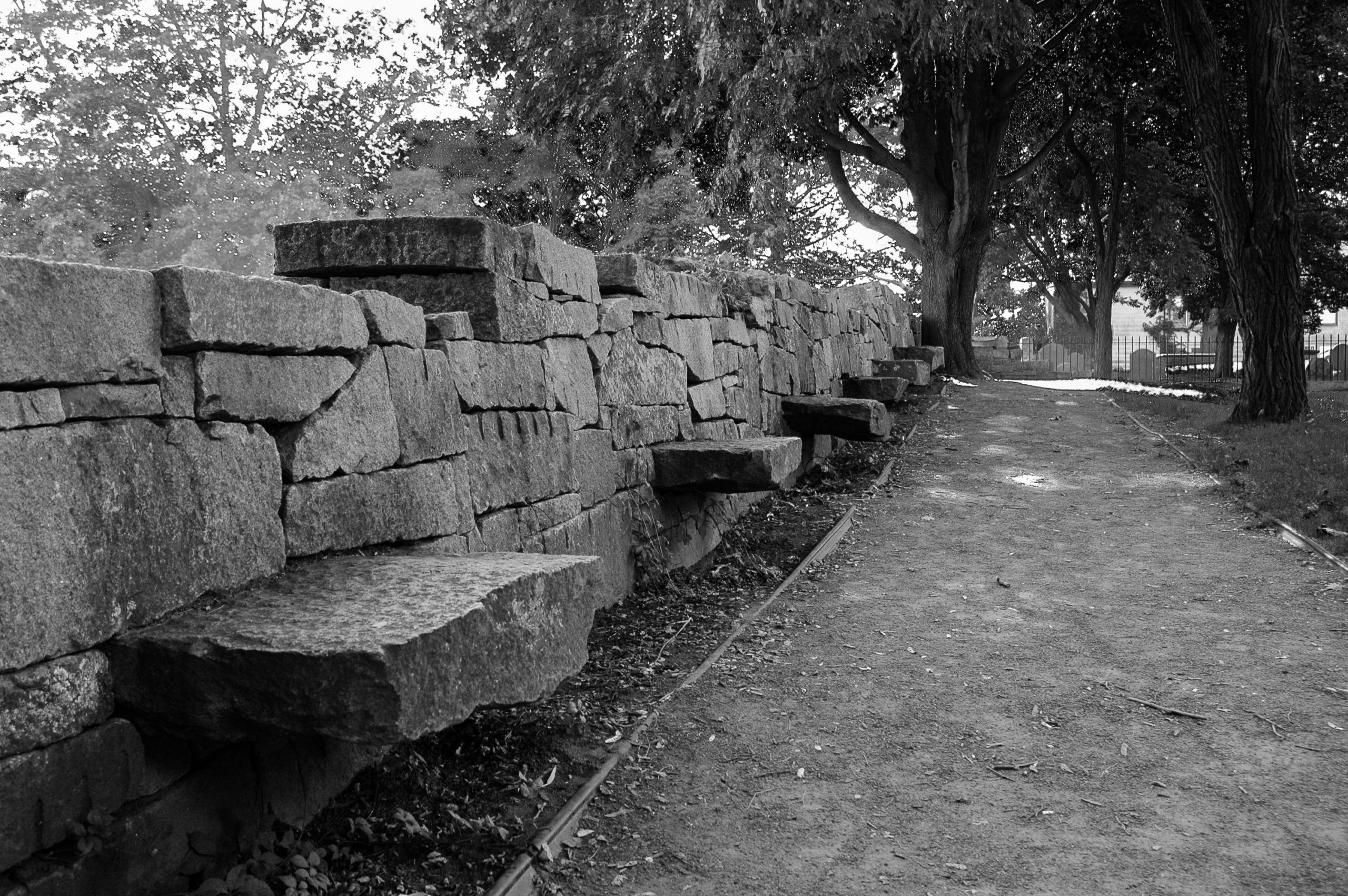
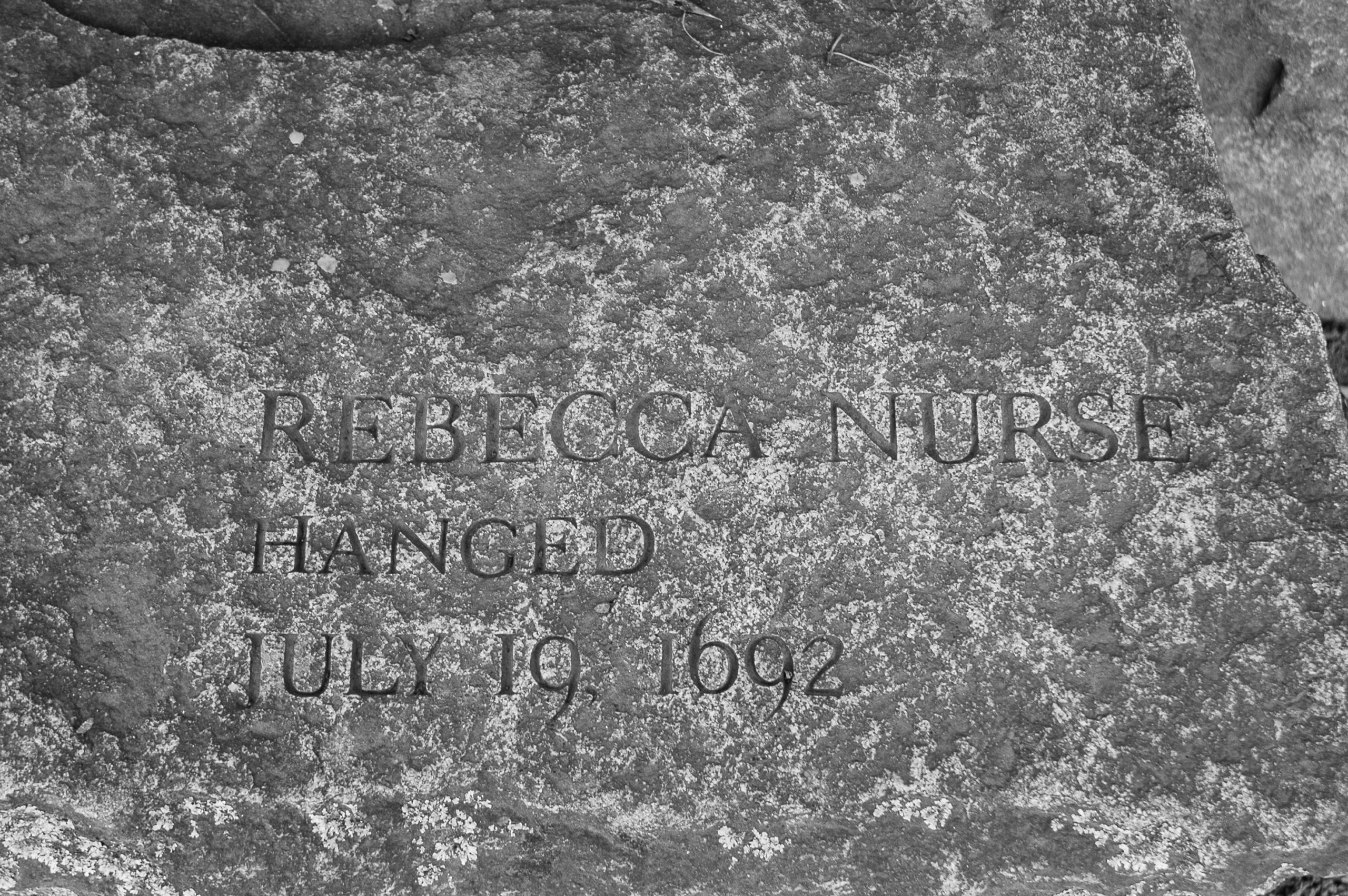
On his mother’s side, Typhaeus is directly descended from several individuals accused of witchcraft, including Goody Dutch, who was accused in Gloucester in 1653, and several figures caught up in the Salem witch trials of 1692: Ann Foster, Rebecca Nurse, Samuel Wardwell, Elizabeth Johnson, Mary Lacy, Mary Kemp, Abigail Johnson, and Mercy Wardwell. His fifth great-grandmother, Abigail Gray, known as “Aunt Nabby Joab,” was said by her neighbors in Sedgwick, Maine, to have practiced witchcraft and possessed the ability to “charm” and “put on curses.”
Typhaeus’s great-aunt, a talented storyteller, frequently recounted tales of how women from Maine’s offshore islands were known as witches. She embraced her connection to the Salem accused and shared stories of how these so-called ‘witch’ powers would manifest in her life. One memorable anecdote involved her cursing the city of Los Angeles after an unsatisfactory experience as a ‘lady’ scriptwriter, only for a gas main to explode just as she departed.
Typhaeus was initiated into the Brotherhood by Minos Hermes as a member of Temenos ta Theia. He diligently studied and practiced under their guidance until his Minos relocated to Chicago. His education in Queer Theory and Photography complements his deep-rooted passion for the arts. He also runs a small independent publishing house and prefers to let his work speak for itself.
Beyond witchcraft, Typhaeus explores a variety of spiritual traditions. His studies have included an in-depth examination of William S. Burroughs’ magical mythology. For many years, he was part of a small queer collective of experimental magicians, The Brotherhood of SeTh. He has also undergone the jukai ceremony—receiving the sixteen bodhisattva precepts in Zen Buddhism—a journey he lightheartedly calls making him a WiccaBu (borrowing a line from Lady Rhea). He has also studied the teachings of Osho (formerly Bhagwan Shree Rajneesh) and the Oregon commune that emerged around him during the early 1980s—a period explored in the Netflix docuseries Wild Wild Country. Typhaeus is the author of The Rise & Fall of Rajneeshpuram: An Historical Commentary.
Typhaeus is also an accomplished author. His recent books delve into the intersections of witchcraft, folklore, and queer experience, offering fresh perspectives on magical traditions. Drawing from his extensive research and personal practice, his works have been praised for their depth, accessibility, and innovative approach to both historical and contemporary witchcraft. His recent works, Breeding Devils in Chaos, Puck You!, and The United Rite have established his reputation as a thoughtful and influential voice in the discussion of re-queering male witchcraft.
Typhaeus shares his life with his husband, Satyros, who is also a brother, and their three canine companions, just outside New Orleans.