
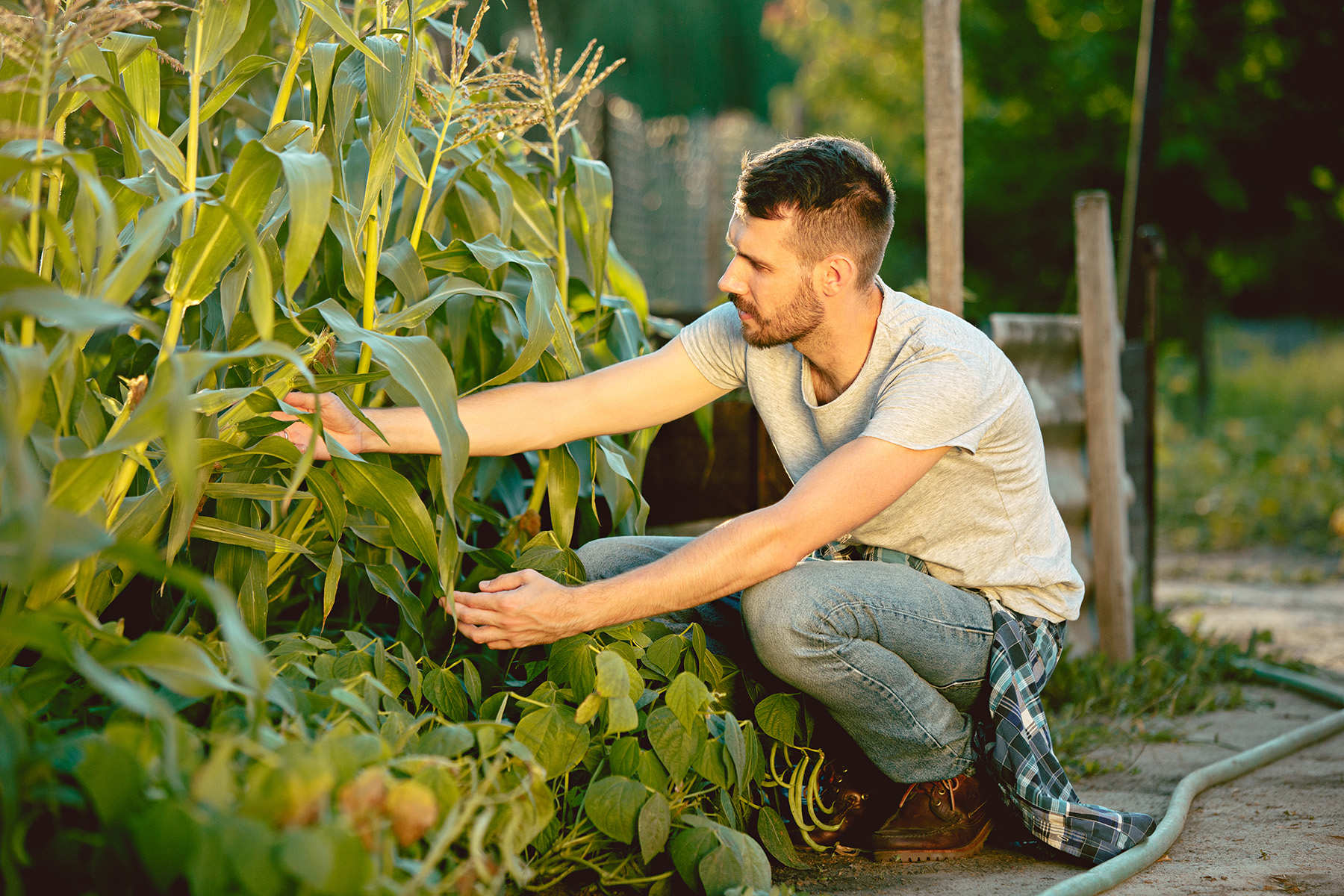
The Barley Moon rises as a symbol of hard work, community, cooperation, and the vital transition from summer’s abundance to the approaching dark months. Its golden light reminds us that the warmth and plenitude of the season cannot last, and that it is together, in the spirit of shared labor, that we prepare for what lies ahead. As the fields are harvested and the last sheaves gathered, the emphasis turns to the community—the hands joined, the burdens shared, and the work that must be done to ready ourselves for the cold that comes all too soon.
This theme of collective effort stands at the heart of the United Rite. In our last gathering, we reflected on the tripartite balance upon which the Rite rests: equipoise, service, and practice. We considered how to manifest a balanced stillness, and how to offer without expectation to the spirits and to each other. Now, we turn to the work at hand—the lived practice of our Craft.
At the root of our path lies a fundamental teaching: that the United Rite is built upon orthopraxy, not orthodoxy. Ours is not a conformity of belief, but a unity of practice. It’s not what we think about being witchy that matters, but what we do—how we show up, how we serve, and how we live together. In the words of the tradition, “We practice witchcraft. We don’t just think about it.”
Orthopraxy—right action—forms the spine of the United Rite. Belief is left to the conscience and experience of each individual; what binds us is the rhythm of shared acts, sacrificial offerings, ethical conduct, and a consciously cultivated way of encountering the world. Tradition is passed not through rigid articles of faith, but through the living, breathing practice of the Rite.
Here, the ancient Greek concept of ἄσκησις—askesis—illuminates our way. Askesis, the discipline of living, is not about self-denial for its own sake, but about the practice of casting off what binds us, and the transformative work of self-mastery. It is a continual effort to cultivate what we might become, rather than to uncover some static inner essence. The self, in this light, is not a fixed core, but a field of possibility to be shaped, tended, and transformed by creative engagement with the world.
Within the United Rite, knowledge itself is not the revelation of a hidden truth buried within, but the outcome of what we bring forth, test, and offer to one another through speech, art, ritual, and ethical action. Mind, body, and spirit reach outward to the world, seeking not certainty, but relationship, transformation, and connection.
The Craft, then, is a sustained, creative discipline through which the self is cultivated in community. Our rituals, observances, and shared feasts are not empty forms, but the tools by which we carve new ways of being—individually and together. Though necessity may sometimes mean that one of us carries the lantern at the front, we always walk the path together. Authority, here, is not about command, but about care and service. The Magister or Grove leader is less a priest on a pedestal than a caretaker among peers—tending the flame, minding the path, and ensuring that each member has the space to become who they are called to be within the Rite.
As the Barley Moon waxes and wanes, we are reminded that our work is ongoing. The harvest is never truly finished, and the journey is always shared. In the gathering dark, we find light in our fellowship and strength in the work we do together. This is the promise and the practice of the United Rite: a choreography of reverence, enacted not alone, but in the company of those who walk beside us.