
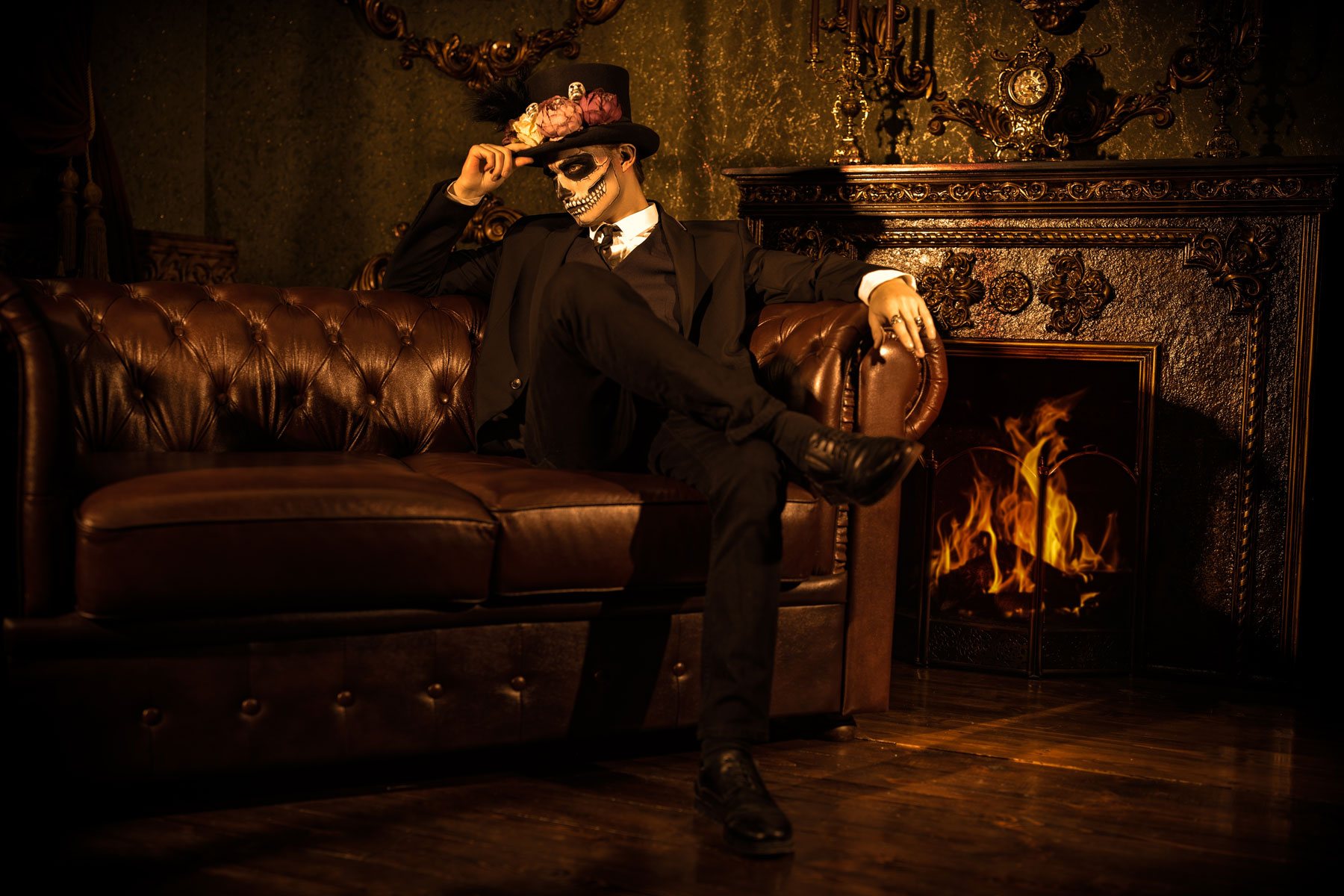
The oranges, yellows, and reds are behind us. As we step into the first month of winter, we begin our sojourn in the dark of the year. The prior year now recedes into history, and we move into the interstitial time when the days shorten, darkness prevails, and the mists between our world and the departed are at their thinnest.
In pre-Christian Britain, All Hallow’s Eve, now commonly known as Halloween, drew its origins from the ancient Celtic festival of Samhain. This marked the end of harvest and the beginning of winter—a liminal time when the boundaries between the living and the spirit world were believed to be at their thinnest. Communities would light bonfires to ward off evil and honor ancestral spirits, wearing costumes or masks to disguise themselves from wandering souls seeking mischief. Offerings of food and drink were laid out to appease the deities and the spirits of the departed, ensuring protection and good fortune through the dark months ahead.
Despite the Christianization of Britain, many of these customs persisted in folk practices and rural traditions. Church celebrations of All Saints’ and All Souls’ Day merged with the older festivals, preserving rituals like souling (offering prayers or songs in exchange for soul-cakes), carving turnip lanterns, and dressing in costumes. Folk beliefs about ghosts, fairies, and the return of the dead at this time remained vibrant in local storytelling and seasonal festivities, keeping alive echoes of Samhain’s ancient reverence for the cycles of death, renewal, and the mysterious ties between the seen and unseen worlds.
As we remember, as we share a meal with those we knew who are no longer with us, we also mourn the loss of the previous season. Another year is behind us, and we may be reminded of our own mortality. We have the vestigial memory gifted to us by our ancestors, which reminds us that winters are hard and not all survive. What lies ahead may fill one with trepidation. Are we prepared? Did we put aside enough for the months to come?
Mourning is a vital process. During these first days of winter, it is important that we give ourselves the space to feel the transition, letting go of the past, and remembering the beautiful, potent moments of the previous summer. We may recall the warmth of the summer sun as we leave our house in the morning. We may be brought back to that moment when a particular flower stopped us and took us momentarily out of our mental preoccupation. We may savor the memory of a bottle of wine shared with a loved one in the private space of our backyard on a perfect summer evening.
Just as powerfully, we may regret something we did or, conversely, something we did not do in the past several months. Just as it is critical to mourn the loss of summer while simultaneously letting it go as the tides of time continue their ebb and flow, we need to let go of regret. Life is life. Moment to moment to moment. There are no regrets. They are as impermanent as the summer leaves of the maple. Even they will eventually transform into a blaze of color, fall, dry, and dissolve into humus. Our actions are the nutrients that feed the earth in which we grow.
During these days, take time to appreciate the loved ones around us (living or departed), mourn, reflect, and release any regrets.
Edith Piaf famously sang that she had no regrets (non, je ne regrette rien). Just like in the final lines of her song, we walk into the unknown together.
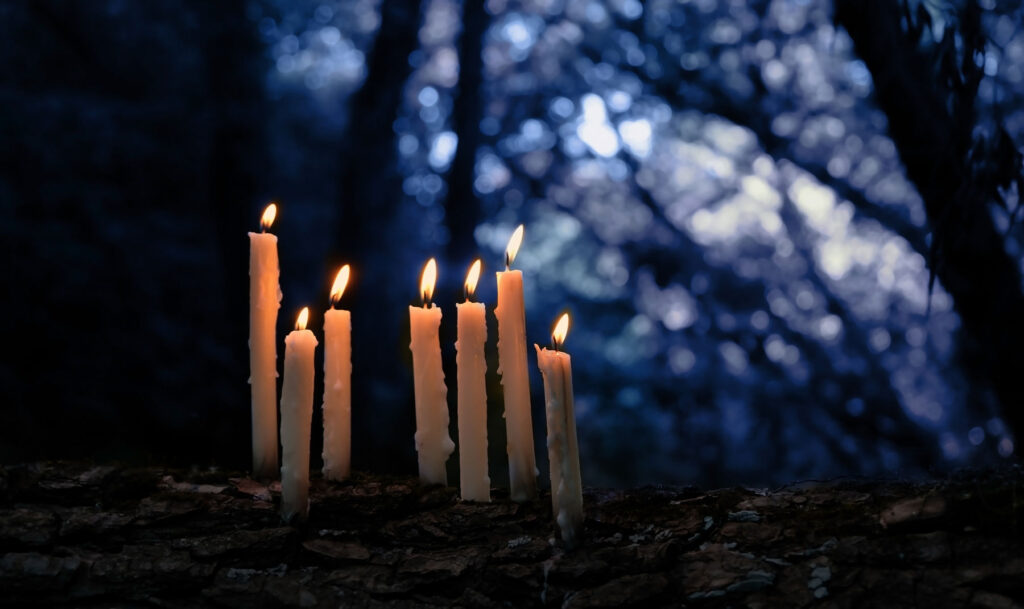
From Samhain to Allhallowtide: How Pagan Rituals Shaped Christian Remembrance
As autumn deepens and daylight fades, a profound sense of mystery fills the air. The last days of October and the beginning of November usher in a trio of overlapping holidays: Halloween, All Saints’ Day, and All Souls’ Day. Yet beneath the Christian calendar lies a much older celebration—Samhain, the Celtic festival that marked the boundary between harvest and winter. Over time, this ancient pagan tradition transformed into Allhallowtide, now central to Christian observance of the dead.
Samhain: Celtic New Year and Festival of the Dead Samhain (pronounced “SOW-in”) was one of the four quarter-day Celtic festivals, running from sunset on October 31 to sunset on November 1. It marked the Celtic New Year—a liminal moment when the boundary between the worlds of the living and the dead thinned, making way for spirits to walk among us. Communities extinguished and then relit hearth fires as symbols of death and renewal, prepared feasts for departed souls, and performed divinations or wore costumes to ward off dark forces. Celebrations included communal bonfires at sacred sites like Tara.
Regional twists abounded: Wales’ Calan Gaeaf featured haunting monsters like the Yr Hwch Ddu Gwta, while Irish and Scottish folklore introduced legendary spirits such as the Dullahan and Púca—creatures that embodied mischief and foreboding in equal measure.
How Christianity Adapted Ancient Rituals: By the 8th century, Pope Gregory III declared November 1 as All Saints’ Day (All Hallows), later expanded across the West by Gregory IV. November 2 soon became All Souls’ Day, completing a three-day observance—Allhallowtide.
Most scholars agree that while All Saints’ Day wasn’t explicitly meant to replace Samhain, the Church regularly layered Christian feasts over pagan ones to help converts embrace the new faith. The similarities—honoring the dead, candlelight, and gatherings—made for a natural fusion.
Threads from Roman and Anglo-Saxon Traditions Allhallowtide also absorbed influences from other ancient customs:
- Roman Lemuria: a May exorcism festival for restless spirits
- Pomona: apple rites, possibly the origin of Halloween’s apple-bobbing
- Anglo-Saxon rituals: offerings at burial mounds and sacred trees, honoring deities like Woden and Thunor
Folk beliefs in elves and supernatural beings, igniting seasonal customs and taboos at the turning of the year
Halloween, A Hybrid That Endures: The eve of All Saints’ (All Hallows’ Eve) kept many Samhain traditions alive, especially in the British Isles. Practices like mumming, guising, and visiting homes evolved into the trick-or-treating we know today. As immigrants brought these customs to America, Halloween became the vibrant, secular celebration recognized worldwide.
Honoring the Ancestors: Traditions That Bind Us Despite centuries of religious and cultural change, the desire to honor ancestors and acknowledge life’s great transitions remains. Whether through pagan bonfires or Christian prayers, these autumn festivals reflect our enduring need to remember, connect, and make meaning as the year comes to its close.