
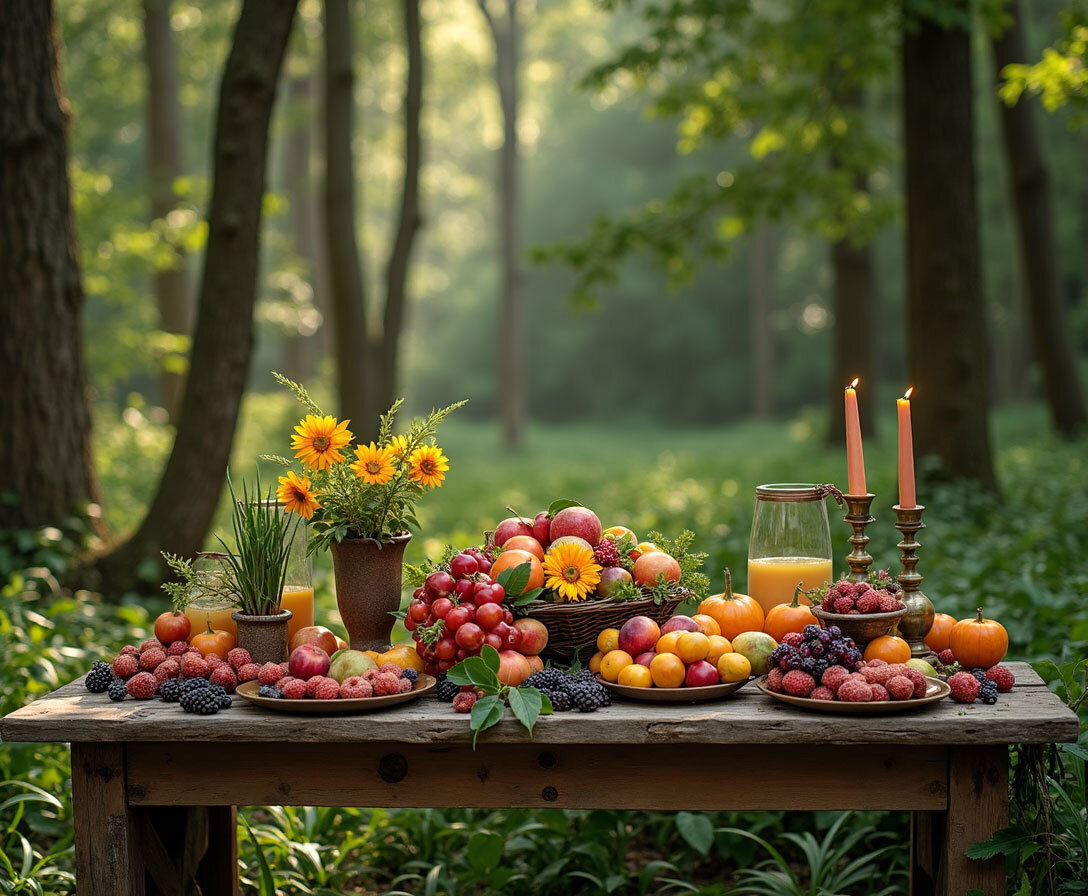
Commonly referred to by either the Irish as Lughnasadh or the Christian as Lammas, the beginning of August, roughly halfway between the summer solstice and fall equinox, marks the celebration of the commencement of harvest. In Scots Gaelic, it is known as Lùnastal and is similar to the Welsh harvest festival Gwyl Awst. The festival shows gratitude for the fruits of the land and offerings to prevent spoilage. Bread is baked from the first wheat or corn of the season. There was a tradition of breaking the loaf into four pieces and placing them in the corners of the barn. The word Lammas derives from the Old English name “hlafmaesse,” meaning loaf-mass.
Lughnasadh is a traditional Celtic festival that marks the beginning of the harvest season. It is celebrated on August 1st and is also known as Lammas. During this time, people would gather to give thanks for the harvest’s abundance and honor the god Lugh, who was associated with the sun and the harvest. The festival was also a time for feasting, dancing, and games, and many people would bring food and drink offerings to share with their community. Today, many people still celebrate Lughnasadh in various ways, including attending festivals, holding feasts, and participating in traditional rituals.
At this time, the sun noticeably drops lower toward the horizon as she descends into the Underworld. Sweet items were also offered. Echoing the fertility rites of spring, people would ride poles, sometimes split at one end or topped with a horse head, through the fields to ward off decay and promote the final growth of the crops. Throughout the first weeks of August, decorations were placed at holy wells and springs in honor of the goddess. Crosses made of Rowan wood were hung in farmhouses and barns at this time of year.
The harvest is a time of reaping, so death imagery abounds. Far back in history, the festival may have involved literal animal or human sacrifice. Today, we observe the gift of the fruits of the harvest. In the folk song about John Barleycorn, he is the symbolic emblem of the agricultural cycle. His death, or sacrifice, is necessary for the materials needed to brew beer and distill spirits.
Celebrating Lughnasadh: The Ancient Harvest Festival
As summer begins to wane, communities across the globe celebrate the first harvest festival, the Feast of First Fruits, also known as Lughnasadh, or Lammas. This celebration marks the commencement of the harvest season. This festival, traditionally observed between August 1st and the first full moon of the month, holds deep historical and cultural significance, especially in many traditions.
The Origins of Lughnasadh and Lammas
The name “Lammas” originates from the Old English term “hlafmaesse,” which translates to “loaf-mass.” This name reflects the custom of baking bread from the season’s first wheat or corn, symbolizing gratitude for the earth’s bounty. In Irish culture, this festival is referred to as Lughnasadh, named after the sun god Lugh, who is associated with harvest and abundance.
In Scots Gaelic, the festival is called “Lùnastal,” and it shares similarities with the Welsh harvest festival, Gwyl Awst. Both celebrations emphasize gratitude for the crops and the importance of community in the harvest process.
Traditions and Celebrations
Historically, Lughnasadh was a time for feasting, games, and community gatherings. People would come together to honor the harvest and participate in various festivities. One tradition involved breaking a loaf of bread into four pieces and placing them in the corners of barns to ward off spoilage and protect the stored grain. This act exemplifies the deep connection between agricultural practices and spiritual beliefs.
In addition to bread-making, sweet items were often offered during the festival, and people participated in fertility rites. One fascinating ritual included riding poles—sometimes split at one end or topped with a horse’s head—through the fields to promote crop growth and ward off decay.
Community and Gratitude
Today, many continue to celebrate Lughnasadh through local festivals, feasts, and traditional rituals that honor both the harvest and the community spirit. Decorations are often placed at holy wells and springs in reverence to the goddess of the harvest, while crosses made of Rowan wood are hung in homes and barns, symbolizing protection and abundance.
The Symbolism of Death and Rebirth
Interestingly, Lughnasadh also carries imagery of death, reminiscent of the agricultural cycle where death begets life. The folk song about John Barleycorn serves as a poignant reminder of this cycle; he represents the grain that must ‘die’ to provide the necessary materials for brewing beer and distilling spirits. This cycle of death and rebirth reflects the natural rhythm of life and the interconnectedness of all living beings.
Conclusion
As we celebrate the beginning of harvest, let us take a moment to appreciate the fruits of our labor and the abundance of nature. Whether through baking bread, participating in community gatherings, or simply reflecting on the blessings of the harvest, this ancient festival invites us to honor the earth and its cycles. So gather your loved ones, prepare a feast, and partake in the joyous celebration of Lughnasadh!
Read more about the festivals of the Year-Wheel